What Dallas is
Map →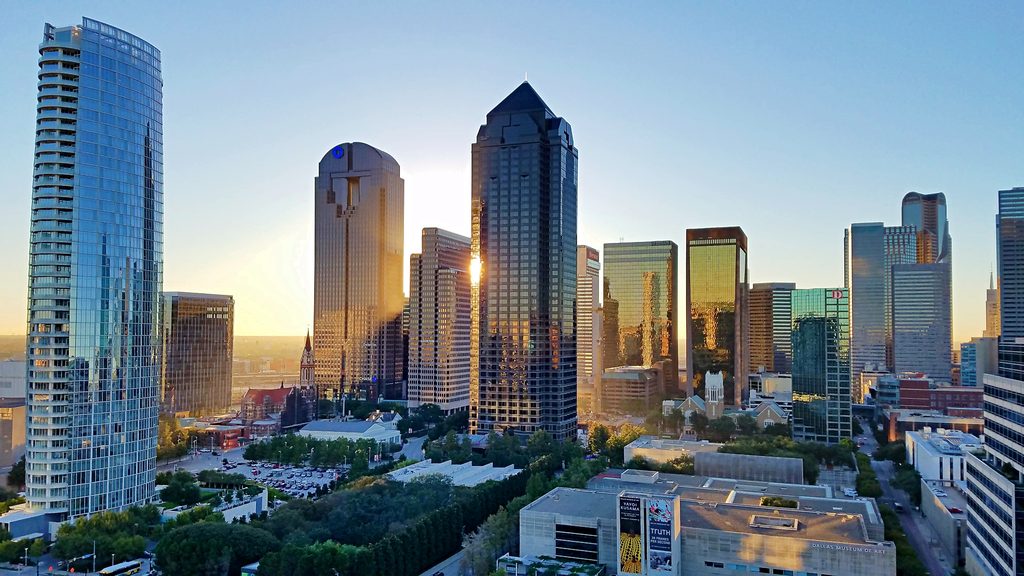
Dallas is a big, polished, business-minded Texas city with a striking skyline, one of the nation's largest urban arts districts, a famous food and shopping scene and deep football and rodeo culture. It's also the home of the JFK assassination history, the Dallas Cowboys and the State Fair of Texas.
Come for the museums, the food and the neighborhoods, and plan around the car culture. Dallas is spread out, so pick two or three areas each day.
When to go
Map →
Spring (March to May) is warm and green, with bluebonnets and patio season. It's also severe-storm season, with hail and tornado risk.
Summer (June to August) is hot, often over 100°F. Plan indoor activities and evening outings.
Fall (September to November) is warm and comfortable, with the State Fair of Texas (late September to October) and football season. Often the best time.
Winter (December to February) is mild with occasional cold snaps and ice. Holiday lights and lower prices.
Check the events calendar. The State Fair, Cowboys home games, big concerts and conventions can raise hotel prices and traffic.
How many days
Map →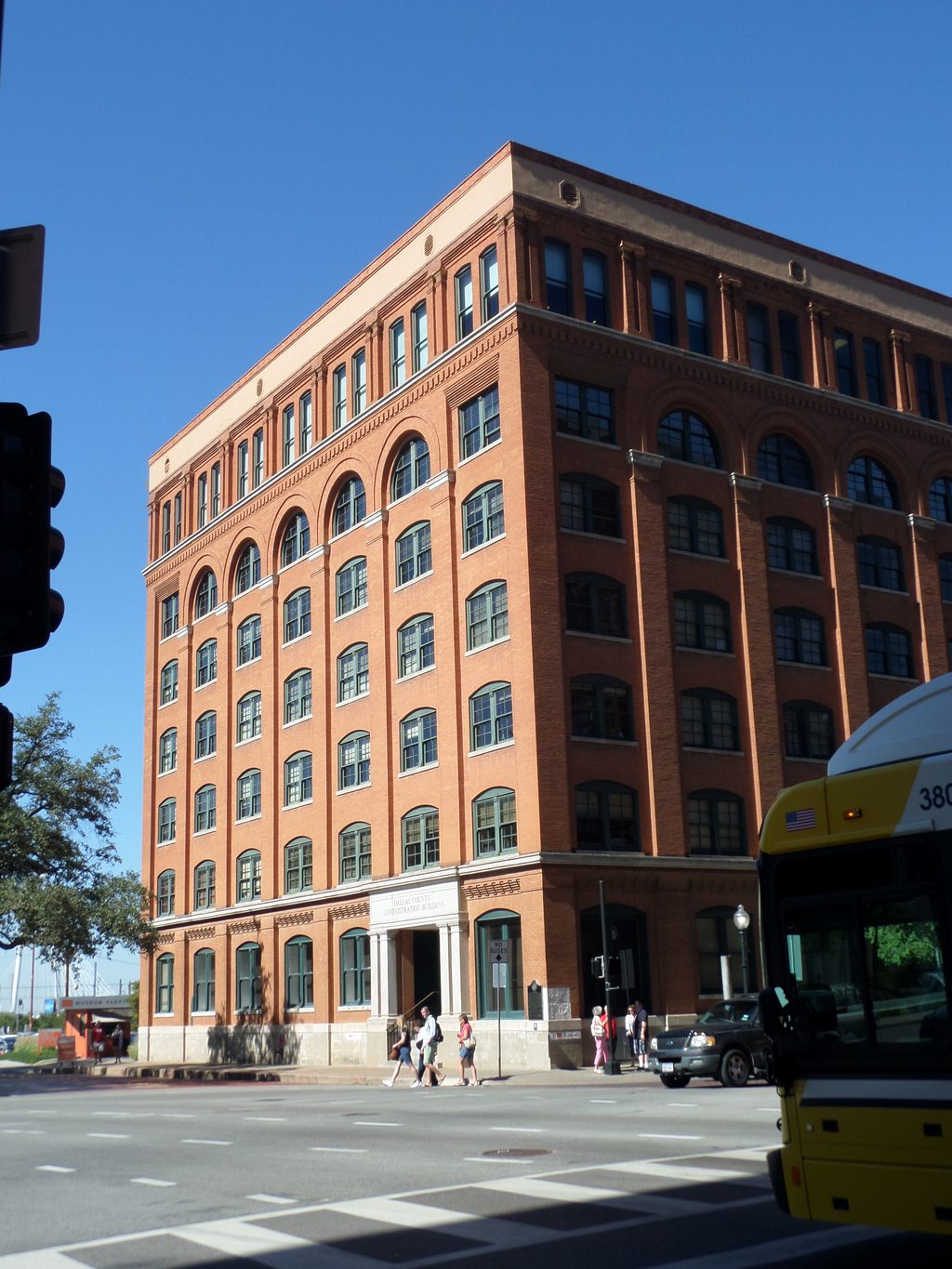
2 days covers the Arts District, Dealey Plaza and a food neighborhood.
3 days (recommended) adds Bishop Arts or Deep Ellum, the Arboretum and a sports or music night.
4 to 5 days adds Fort Worth's Stockyards and Cultural District, and Arlington's attractions.
Day 1, downtown and the Arts District: morning at Dealey Plaza and the Sixth Floor Museum (reserve ahead). Afternoon at the Dallas Museum of Art and the Nasher Sculpture Center, then Klyde Warren Park for food trucks. Evening dinner in Uptown or the Arts District.
Day 2, neighborhoods: morning at the Dallas Arboretum and Botanical Garden or White Rock Lake. Afternoon in Bishop Arts District in Oak Cliff for shops and restaurants. Evening in Deep Ellum for live music and bars.
Day 3, choose your own: the Perot Museum of Nature and Science, a Dallas Zoo visit, or a day in Fort Worth (about 35 miles west) for the Stockyards and Kimbell Art Museum. Or catch a Cowboys, Mavericks or Stars game.
Where to stay
Map →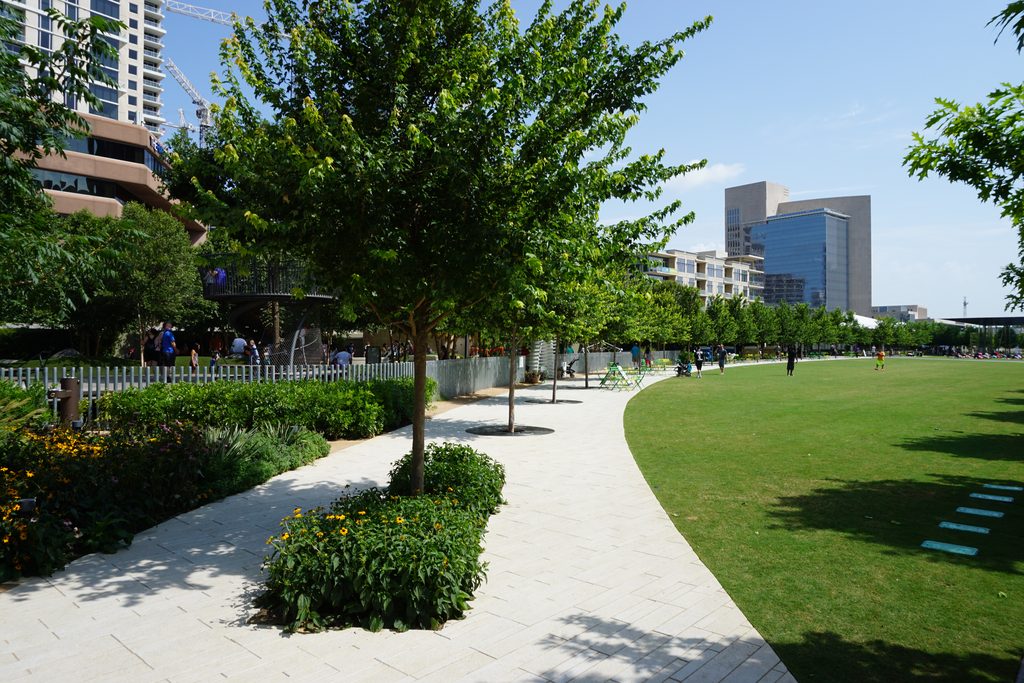
Downtown suits transit access, museums and the Arts District.
Uptown suits walkable restaurants, bars and the McKinney Avenue Trolley.
Deep Ellum suits live music, murals and nightlife.
Bishop Arts (Oak Cliff) suits independent shops and a local feel.
Near DFW or Las Colinas suit airport convenience and business travel.
Getting around
Map →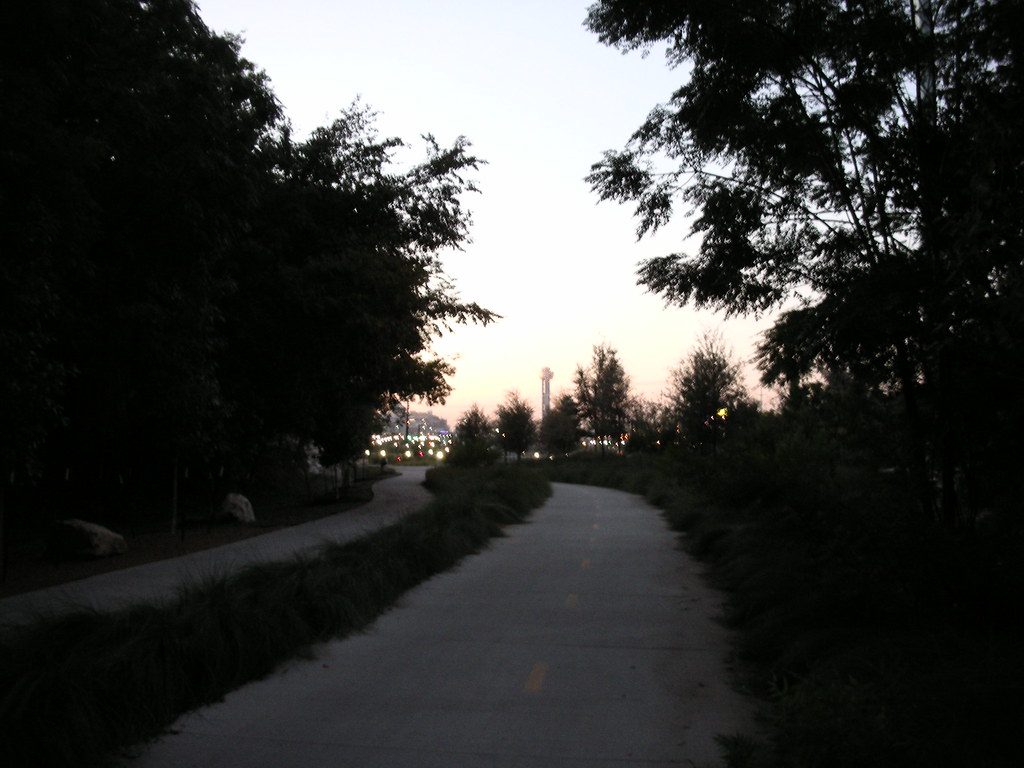
Dallas is built around cars. Rideshare and rentals are the easiest options. DART runs light rail lines (Red, Blue, Green and Orange), buses and a streetcar; the Orange Line connects DFW Airport to downtown. The free M-Line Trolley serves Uptown. Check current fares and schedules.
For Fort Worth, the TRE commuter train and TEXRail connect the metro; a car makes it easier. Parking downtown can be pricey, and rush hour traffic is heavy.
Know before you go
Map →
Sixth Floor Museum: timed tickets sell out in busy periods; book ahead.
Weather: spring storms can bring large hail and tornado warnings. Follow alerts and know your hotel's shelter area.
Food: Tex-Mex (the frozen margarita machine was invented here), barbecue, steakhouses, chicken-fried steak and a growing international scene.
Last call is 2 a.m. Tipping 18 to 20% is standard.
Safety
Map →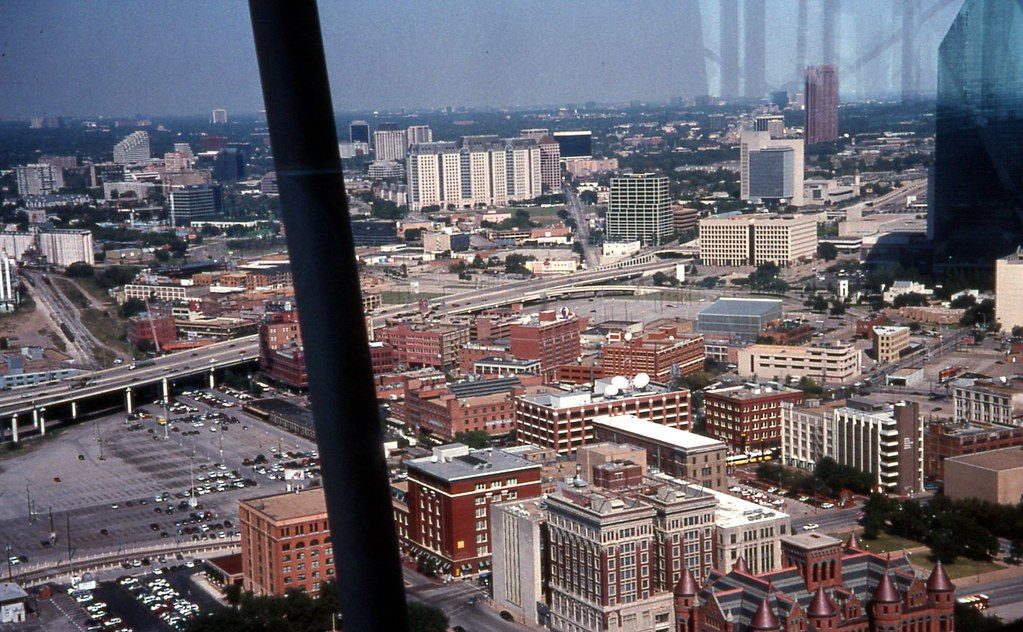
Dallas's visitor areas are generally fine, with normal big-city awareness. Car break-ins happen; don't leave valuables visible. Some downtown blocks and parts of Deep Ellum are quiet or rowdy at night; use rideshare after dark.
Severe weather is the main hazard: hail, tornadoes and flash floods in spring, and extreme heat in summer. Watch forecasts and have a plan.
Healthcare
Map →Emergencies: dial 911. Dallas has major hospitals and many urgent-care clinics and pharmacies. If you take prescription medications, bring a buffer supply.
What to pack
Map →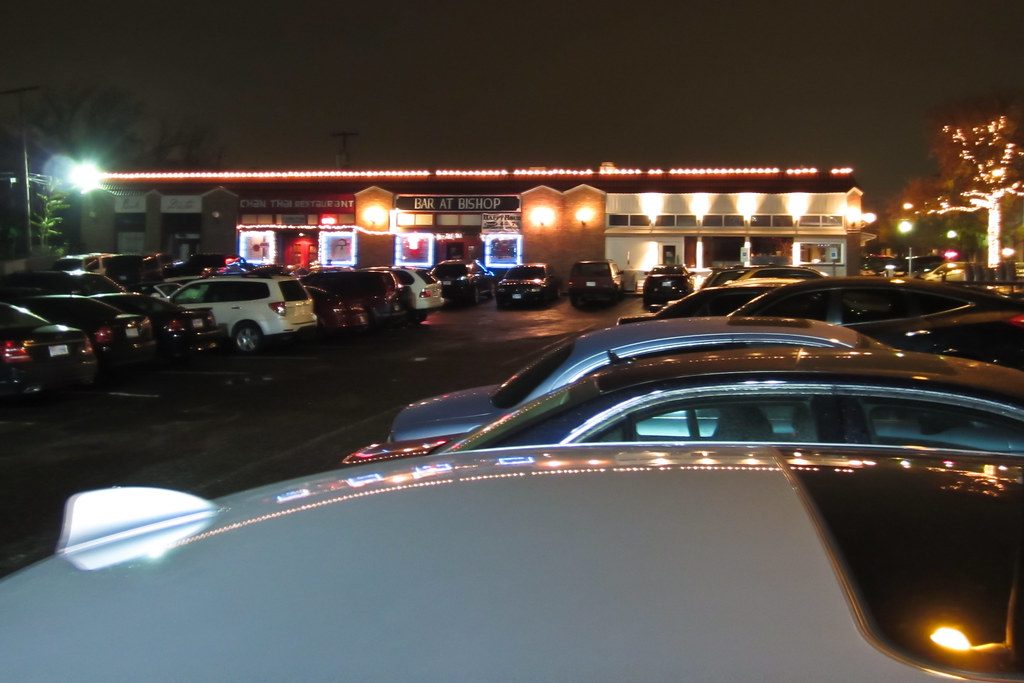
Light, breathable clothing, sunscreen, comfortable walking shoes, a light jacket for air conditioning and winter evenings, a compact umbrella and a refillable water bottle.