What Indianapolis is
Map →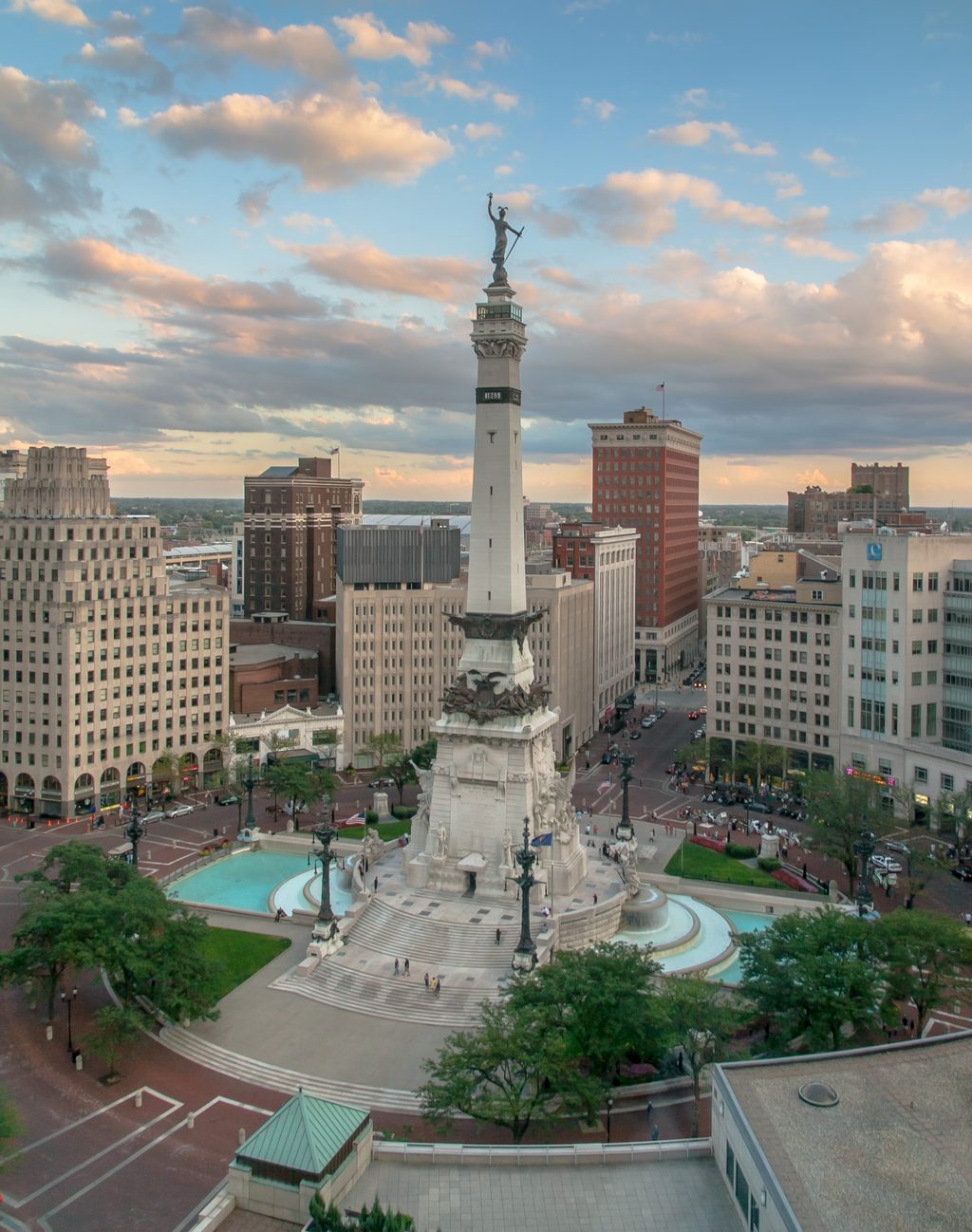
Indianapolis is a friendly, compact Midwest capital known for motorsports, amateur and professional sports, a strong museum scene and a walkable downtown. It hosts the Indianapolis 500, the NFL Scouting Combine, big conventions such as Gen Con and a steady stream of major sporting events.
Come for the events, the museums and the food, and enjoy the easy pace and affordable prices. Downtown is surprisingly well connected, with a cultural trail linking neighborhoods.
When to go
Map →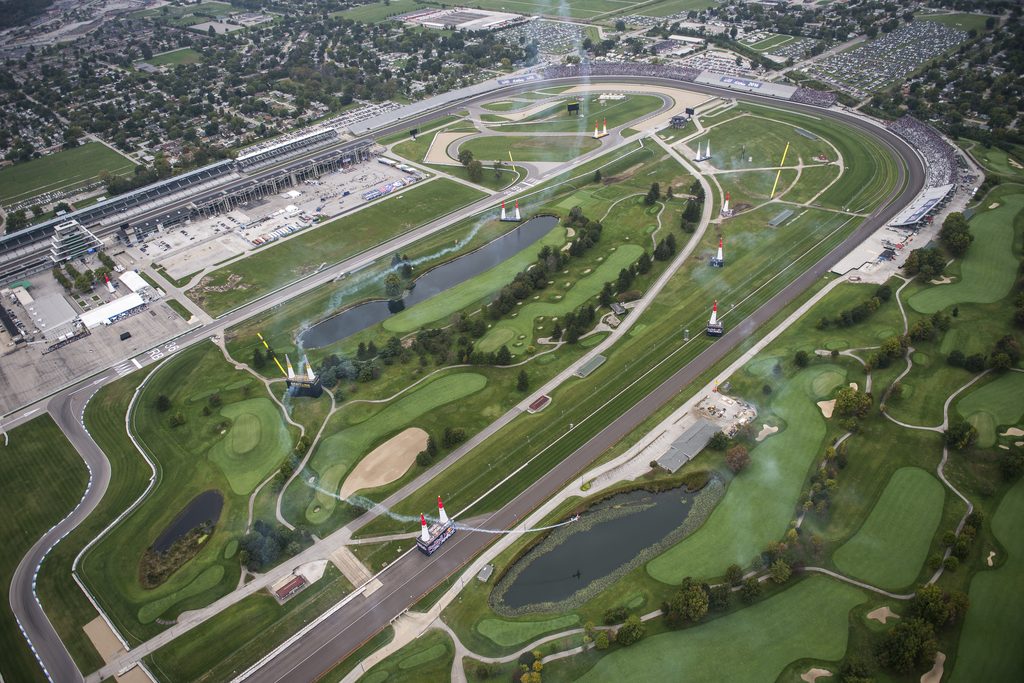
Spring (April to June) is mild and green. May is busy with the Indy 500 and festivals.
Summer (July to August) is warm and humid, with outdoor events and Gen Con in August. Hotels near downtown fill fast.
Fall (September to October) is crisp and colorful, with fewer crowds. Pleasant for walking the Cultural Trail.
Winter (December to February) is cold with occasional snow. Holiday lights and indoor museums; the NFL Combine arrives in late winter.
Check the events calendar. Indy 500 weekend, Gen Con, major conventions, Colts home games and championship events can quickly fill hotels and raise prices.
How many days
Map →2 days covers downtown, a museum and the Speedway.
3 days (recommended) adds Newfields and Fountain Square or Mass Ave.
4 days adds a day trip (Brown County State Park for fall color, or Columbus, Indiana, for architecture).
Day 1, downtown: morning at Monument Circle and the Soldiers and Sailors Monument, then the Indiana State Museum or the Eiteljorg Museum in White River State Park. Afternoon on the Indianapolis Cultural Trail by bike or on foot. Evening dinner on Mass Ave, with a theater or live-music stop.
Day 2, motorsports and museums: morning at the Indianapolis Motor Speedway and its museum (hot-lap and track tours often available). Afternoon at the Children's Museum of Indianapolis, the largest in the world, if you have kids, or Newfields (the art museum and gardens) if you don't. Evening at a Pacers game at Gainbridge Fieldhouse or a Colts game at Lucas Oil Stadium.
Day 3, neighborhoods: morning in Fountain Square for shops, bowling and cafes. Afternoon at the Kurt Vonnegut Museum and Library or Broad Ripple for restaurants and the canal. Evening dinner at a classic Indy spot such as St. Elmo Steak House (try the famously spicy shrimp cocktail).
Where to stay
Map →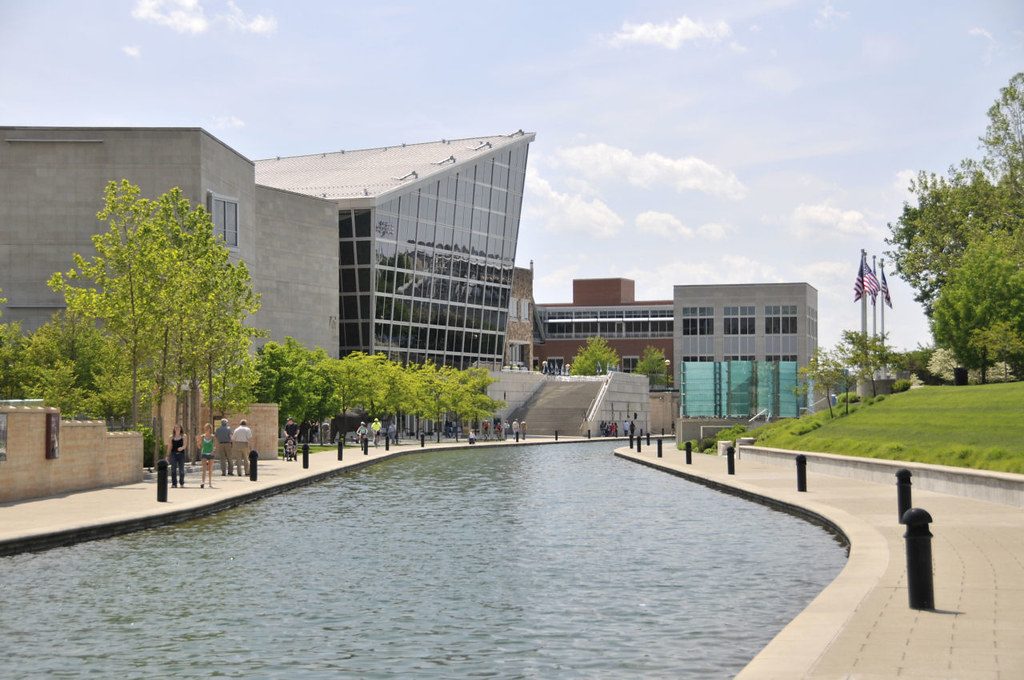
Downtown suits first-timers: walkable to stadiums, museums and the convention center.
Mass Ave and the Cultural District suit theater, restaurants and a creative feel.
Fountain Square suits a local, artsy neighborhood stay.
Broad Ripple suits nightlife and the canal.
Near the Speedway suits race weekends and motorsports fans.
Getting around
Map →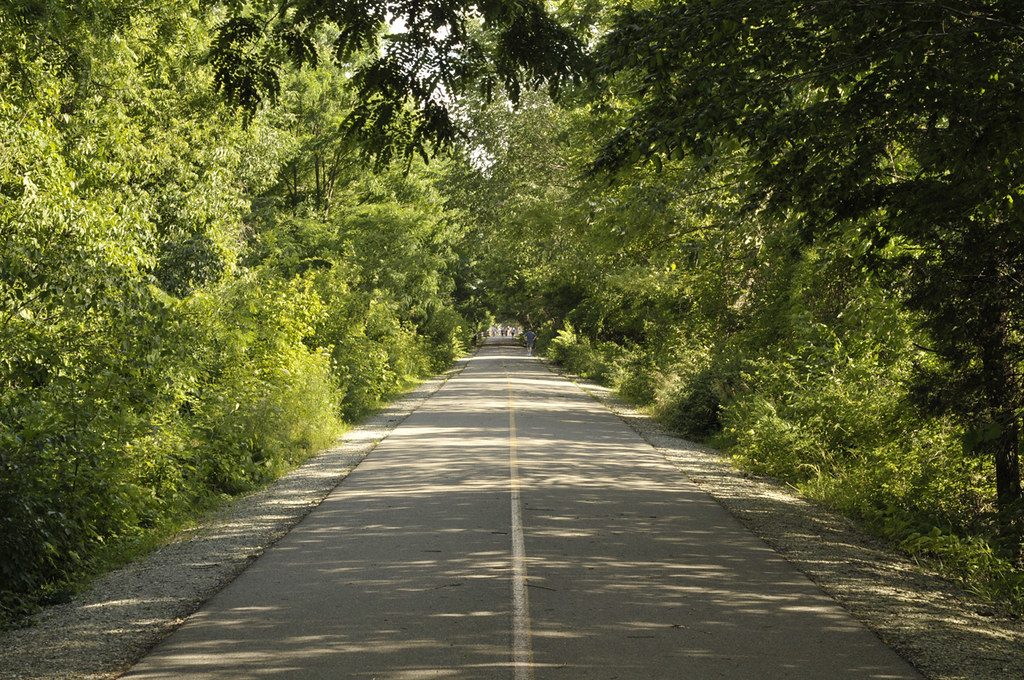
Downtown is compact and walkable, and the Indianapolis Cultural Trail is an eight-mile urban path for walking and biking. IndyGo runs buses and the Red Line bus rapid transit, which links Broad Ripple, downtown and UIndy; Blue and Purple lines are being added (check current status and fares). Pacers Bikeshare and scooters are available.
Rideshare is common. A car is helpful for the Speedway, Newfields and outlying neighborhoods. Event days close streets and fill garages, so book parking ahead.
Know before you go
Map →Indy 500: the race is held on Memorial Day weekend, and the whole city is in celebration mode. Book a year ahead if possible.
Gen Con: this large gaming convention takes over downtown in August; hotels sell out months ahead.
Food: the breaded pork tenderloin sandwich, sugar cream pie, St. Elmo's shrimp cocktail, and a growing craft-beer and restaurant scene.
Last call is 3 a.m. Tipping 18 to 20% is standard.
Safety
Indianapolis's downtown and visitor areas are generally safe, with normal precautions. Keep valuables secure and be aware on event nights when crowds are large. Some neighborhoods away from downtown are quiet at night; use rideshare if you're unsure.
Weather can be extreme: summer heat and storms, winter ice and cold, and spring tornado watches. Check forecasts, especially for outdoor events.
Healthcare
Emergencies: dial 911. Indianapolis has major hospital systems and many urgent-care clinics and pharmacies. If you take prescription medications, bring a buffer supply.
What to pack
Comfortable walking shoes, layers, a rain jacket, sunscreen and a hat in summer, a warm coat in winter and earplugs if you're attending race events.