What Jacksonville is
Map →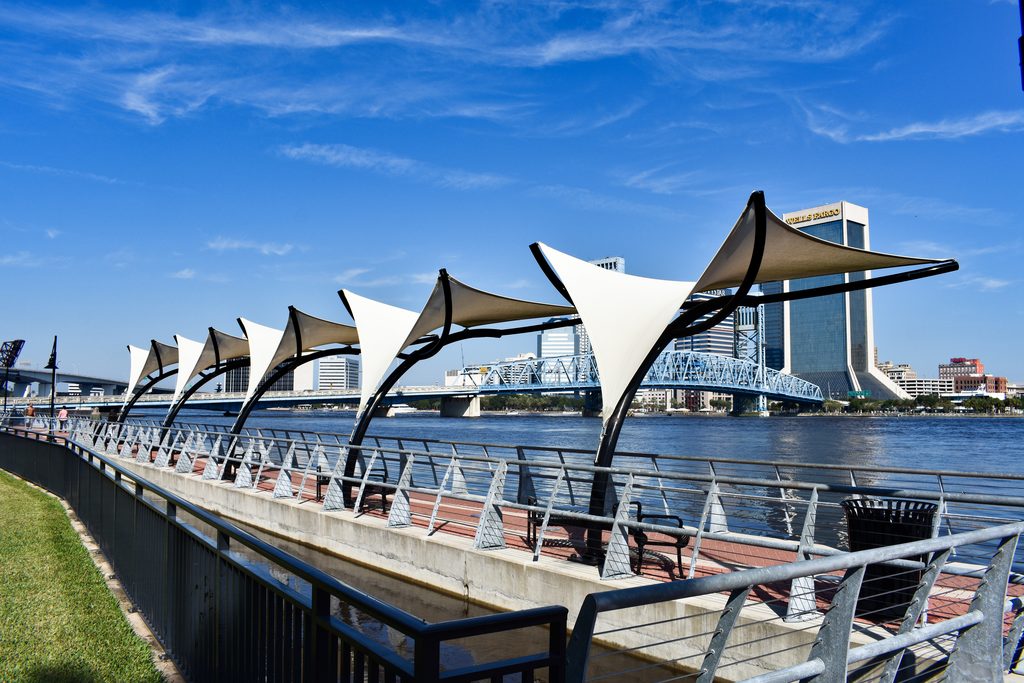
Jacksonville is a sprawling river-and-ocean city in northeast Florida, where the St. Johns River winds through downtown and the Atlantic coast offers wide, walkable beaches. It's a Navy and sports town (Jaguars), a growing food and arts scene in neighborhoods like Riverside and San Marco, and a base for Amelia Island and St. Augustine.
Come for the beaches, the parks and the Southern food, and plan around driving. The city is more nature and neighborhood than big-attraction, which suits a relaxed trip.
When to go
Map →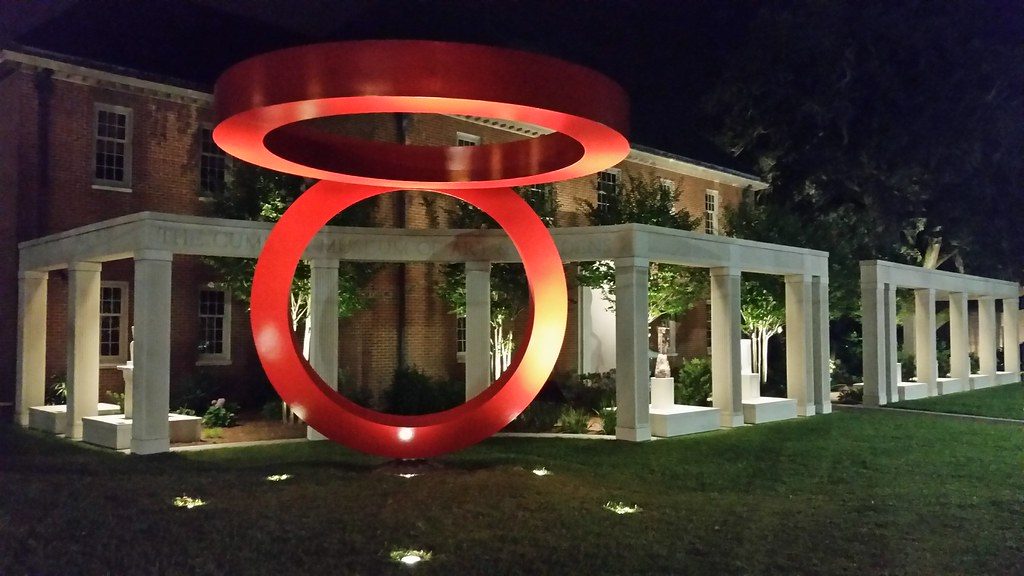
Spring (March to May) is warm and comfortable, with beach weather. The Players Championship in March draws big crowds to nearby Ponte Vedra.
Summer (June to August) is hot, humid and stormy, with beach season at its peak and afternoon thunderstorms.
Fall (October to November) is warm and drier, with fewer crowds. Hurricane season ends on November 30. The Florida-Georgia game weekend brings big crowds, typically in late October or early November.
Winter (December to February) is mild with occasional cold snaps. Quiet and good value.
Check the events calendar. Jaguars games, the Florida-Georgia weekend, major golf and concerts raise hotel prices.
How many days
Map →
2 days covers the beaches and a neighborhood or museum.
3 days (recommended) adds Riverside, San Marco and the Talbot Islands.
4 to 5 days adds Amelia Island (about 40 minutes north) and St. Augustine (about 45 minutes south).
Day 1, the beaches: morning at Jacksonville Beach and the pier, then Neptune Beach and Atlantic Beach for a relaxed, walkable stretch. Lunch on the water. Afternoon at the Beaches Museum or a surf lesson. Sunset dinner at a beachfront restaurant.
Day 2, history and nature: morning at Kingsley Plantation on Fort George Island (a National Park Service site on the grounds of a historic plantation; visit respectfully and consider the guided history). Afternoon at Big Talbot Island's Boneyard Beach and the nearby state parks. Evening in Riverside or Avondale for dinner.
Day 3, neighborhoods and museums: morning at the Cummer Museum of Art & Gardens in Riverside. Afternoon at San Marco Square for shops and cafes, or Springfield and the Riverwalk. Evening at a Jaguars game or a show downtown.
Where to stay
Map →
Jacksonville Beach and Neptune Beach suit beach lovers, with surf shops, restaurants and a relaxed feel.
Atlantic Beach suits a quieter coastal stay.
Downtown and the Southbank suit sports, business and river views.
Riverside and Avondale suit historic homes, restaurants and local color.
San Marco suits a quaint, walkable village feel.
Amelia Island suits an upscale, historic island getaway.
Getting around
Map →
A car is essential for most trips. Rideshare is available but costly across long distances. The JTA runs buses, and downtown has had a free automated Skyway; the Skyway is being converted to a new system, so check current service. Parking is easy at most attractions and beaches.
From JAX, rideshare, taxis and rentals reach downtown in about 20 to 30 minutes.
Know before you go
Map →
Hurricanes: the season runs June 1 to November 30. Keep bookings flexible and follow official guidance.
Rip currents: swim near lifeguards, and heed flag warnings.
Food: Southern cooking, Mayport shrimp, fresh seafood, barbecue and a growing craft-beer scene.
Last call is 2 a.m. Tipping 18 to 20% is standard.
Heat: summer humidity is intense. Carry water and plan outdoor time for early or late in the day.
Safety
Map →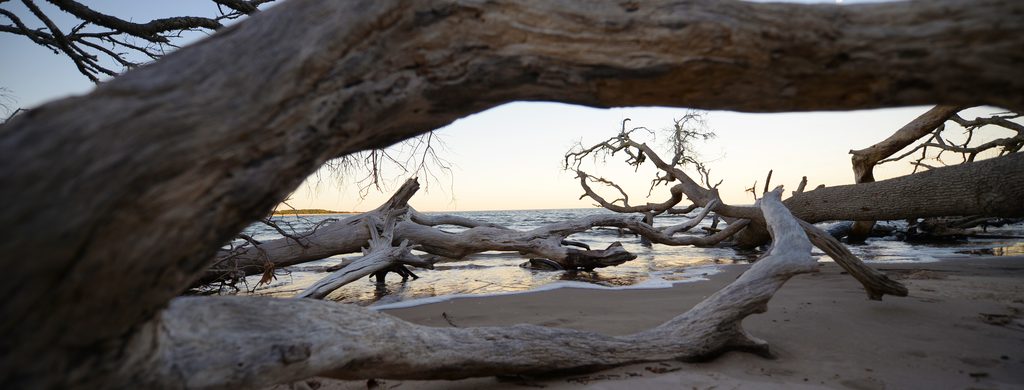
Jacksonville's beaches and visitor neighborhoods are generally safe with normal precautions. Keep valuables out of sight, and don't leave items in cars at trailheads and beach lots.
Weather and water are the main hazards: rip currents, hurricanes, lightning and heat. Some parts of the city are less comfortable at night; use rideshare if you're unsure.
Healthcare
Map → Emergencies: dial 911. Jacksonville has major hospital systems and many urgent-care clinics and pharmacies. If you take prescription medications, bring a buffer supply.
What to pack
Map →
Sunscreen, sunglasses, a hat, swimwear, light breathable clothing, insect repellent for river and marsh areas, a rain jacket and comfortable shoes.