What Las Vegas is
Map →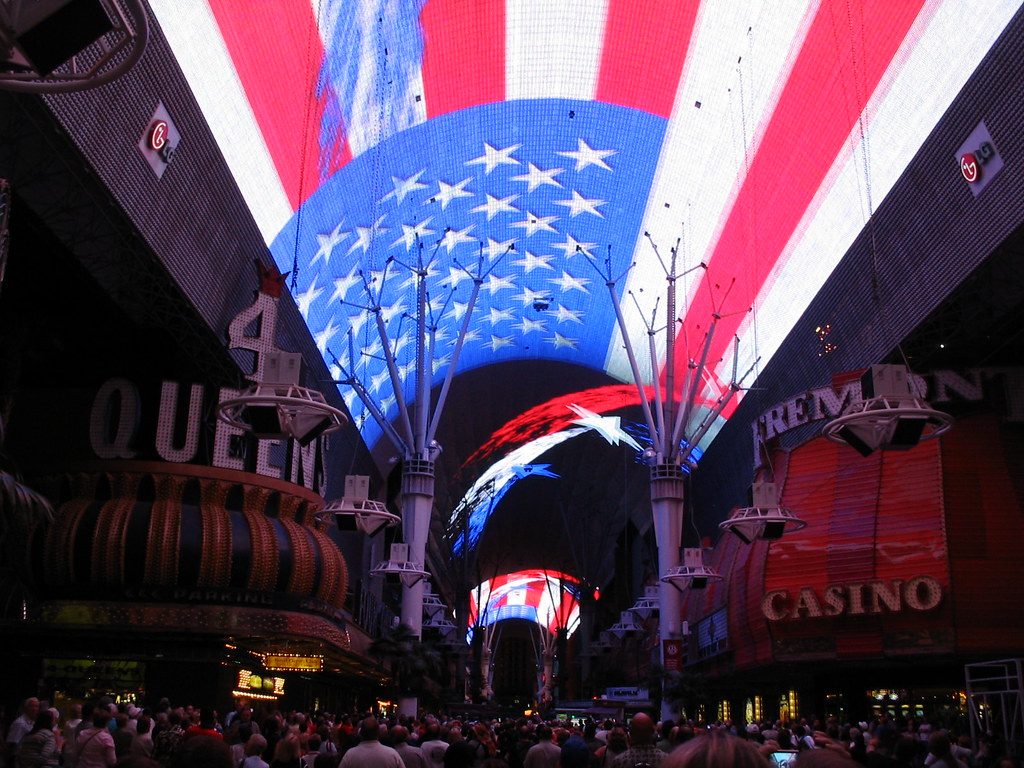
Las Vegas is a desert resort city built around casinos, mega-resorts, shows, restaurants and nightlife, with an elaborate Strip of themed hotels (Paris, Venice, New York) and a retro downtown around Fremont Street. Outside the neon, there's a growing arts, food and outdoor scene, with red-rock canyons and Hoover Dam within an hour.
Come for the spectacle, the shows and the food, and plan for the pace: the city is designed to keep you inside. Pace yourself, stay hydrated, and remember that it's a mile or more between many major resorts.
When to go
Spring (March to May) brings warm, dry days and pleasant nights. Best overall, and busy.
Summer (June to August) is extremely hot, often 105°F or higher. Pool parties and cheap rooms, but outdoor activity is limited to morning and night.
Fall (October to November) is warm and comfortable, with fewer crowds. The Las Vegas Grand Prix typically takes place in November and sends hotel prices soaring; check the dates.
Winter (December to February) is cool with cold nights. Convention season (especially CES in January) and New Year's Eve are expensive.
Check the events calendar. Major conventions, big fights, concerts, the Formula 1 race and holiday weekends can double or triple room rates. Midweek stays are often much cheaper than weekends.
How many days
Map →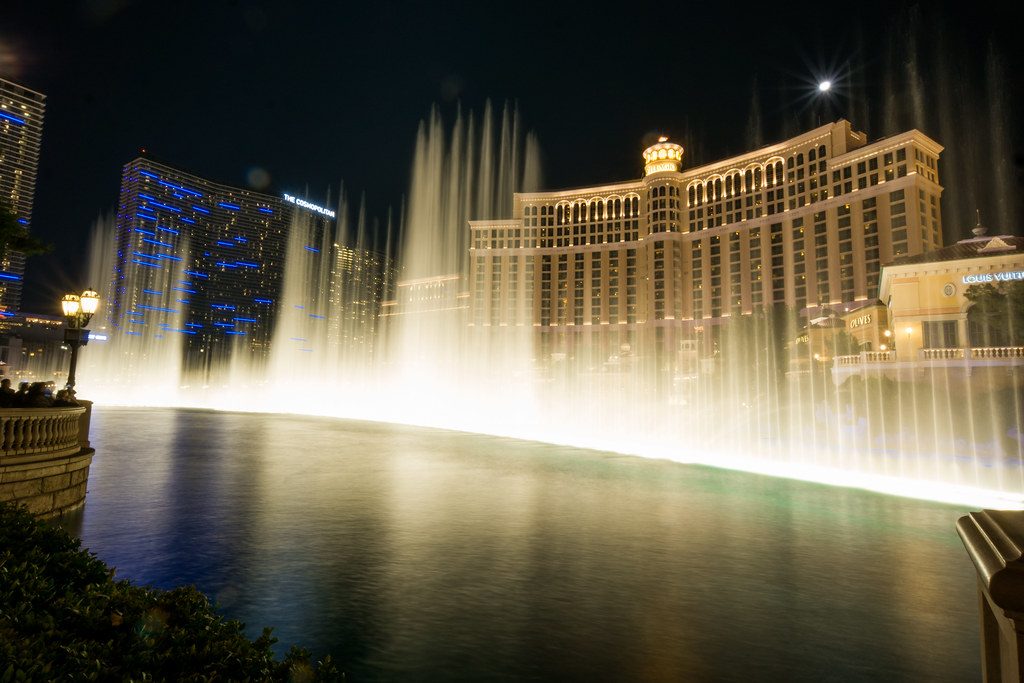
2 days covers the Strip, a show and a casino or two.
3 days (recommended) adds Fremont Street, a major attraction and a day-time outdoor trip.
4 to 5 days adds Red Rock Canyon, Hoover Dam, Valley of Fire or the Grand Canyon.
Day 1, the Strip by day and night: start with the Bellagio Conservatory and fountains, then walk to the Venetian, the Wynn or the Cosmopolitan. Lunch at a resort restaurant. Afternoon at a pool or spa, or a mid-Strip attraction such as the High Roller. Evening at a show or a top restaurant, then the Bellagio fountains after dark.
Day 2, Fremont Street and culture: morning at the Neon Museum (book ahead) or the Mob Museum. Afternoon on Fremont Street for the canopy light show, classic casinos and food, or the Arts District for galleries and coffee. Evening back on the Strip for a show or the Sphere.
Day 3, outdoors: early morning at Red Rock Canyon Scenic Drive (check whether timed entry applies) or a Hoover Dam tour. Return for a pool afternoon and a late dinner.
Where to stay
The Strip suits first-timers: walkable between nearby resorts, loud and always on. Resorts range from budget to ultra-luxury.
Center Strip (Bellagio, Caesars, Cosmopolitan) suits central access to many attractions.
South Strip (Mandalay Bay, Luxor) suits quieter pools and lower prices, but farther from the Fremont area.
Downtown and Fremont Street suit vintage casinos, bars and lower prices.
Off-Strip and Summerlin suit quieter resorts, golf and locals' restaurants.
Getting around
The Strip is about four miles long, and distances are deceptive: crossing a resort casino can take 15 minutes. Wear comfortable shoes and use pedestrian bridges. Rideshare and taxis are plentiful, with designated pickup areas at resorts. The Las Vegas Monorail serves several east-side resorts, and the Deuce bus runs along the Strip. Check current fares and routes.
Many resorts charge for parking and add mandatory daily resort fees, which can add significantly to your room cost. Check the total price before booking.
You don't need a car for the Strip, but rent one or join a tour for Red Rock Canyon, Valley of Fire, Hoover Dam and the Grand Canyon.
Know before you go
Age: you must be 21 or older to gamble or drink.
Resort fees and taxes: budget for daily resort fees, parking fees and taxes on top of the advertised room rate.
Alcohol: casinos serve free drinks to gamblers. Public drinking rules differ by area; glass is generally not allowed outside.
Cannabis is legal for adults 21 and over, but consumption is restricted to private places or licensed lounges.
Tipping: tip dealers, servers, valets and housekeeping; carry small bills.
Gambling: set a budget and stick to it. Casinos are designed to keep you playing.
Safety
The Strip and downtown are heavily patrolled and generally safe, but watch for pickpockets in crowds and casinos, and keep your belongings secure.
Common scams include street "ticket sellers," fake or overpriced show tickets, people handing out "free" items and demanding payment, and unofficial taxis. Buy tickets only from official sources.
Heat is the biggest physical risk: carry water, wear sunscreen and avoid long midday walks in summer. If you drink, pace yourself, and use rideshare, not a car. Hotel and casino security can help with problems; know your hotel's emergency contact.
Healthcare
Emergencies: dial 911. Las Vegas has major hospitals and many urgent-care clinics. Hotels can often arrange a doctor. If you take prescription medications, bring a buffer supply. Dry air and heat can dehydrate you quickly; watch for headaches, dizziness or confusion.
What to pack
Comfortable walking shoes (you'll walk miles), sunscreen, sunglasses, a hat, a refillable water bottle, lip balm and moisturizer, a light jacket for air-conditioned venues and cold winter nights, and a small bag that closes securely. Pack dressy options for shows and clubs.