What Los Angeles is
Los Angeles is a collection of cities, beaches, canyons and neighborhoods stitched together by freeways: Hollywood and the film industry, surf culture on the coast, Beverly Hills glamour, downtown's arts and food, and some of the best tacos, Korean food and sushi anywhere.
Come for the beaches, the food, the views and the entertainment industry, and pick two or three areas per day rather than trying to see it all. Distances are bigger than they look, and traffic is a constant.
When to go
Spring (March to June) brings mild days, clear skies and wildflowers, though "May Gray" and "June Gloom" can mean cool morning cloud near the coast.
Summer (July to September) is sunny and warm on the coast and very hot inland. Beach season, concerts at the Hollywood Bowl and the busiest crowds.
Fall (October to November) is warm, clear and less crowded. Santa Ana winds can bring heat and elevated wildfire risk.
Winter (December to February) is mild, with occasional rain. Snow is visible on mountains, hiking is comfortable and prices are lower.
Check the events calendar. Big concerts, sporting events and holiday weekends strain traffic and hotels.
How many days
Map →3 days covers Hollywood, the beach and one museum or park.
4 days (recommended) adds Downtown LA and a hiking or viewpoint morning.
5 or more days adds Pasadena, Malibu, Universal Studios or a Disneyland day trip.
Day 1, Hollywood and Griffith Park: morning at the Griffith Observatory (free; arrive early or take the shuttle) for views of the city and the Hollywood Sign. Afternoon on Hollywood Boulevard, the TCL Chinese Theatre and the Walk of Fame, or a studio tour. Evening dinner in Hollywood or West Hollywood.
Day 2, the coast: morning in Santa Monica (pier and beach), then bike or walk the path to Venice (boardwalk and canals). Lunch in Abbot Kinney. Afternoon in Malibu for beaches, or the Getty Villa. Sunset on the coast.
Day 3, museums and downtown: morning at the Getty Center (free; parking fee) or LACMA. Afternoon in Downtown LA: The Broad (reserve free tickets), Grand Central Market for lunch, Walt Disney Concert Hall and the Arts District. Evening dinner downtown or in Silver Lake or Echo Park.
Day 4, choose your own: Universal Studios Hollywood for a theme-park day, or Disneyland in Anaheim (about an hour in traffic from the city), or a hike and a long lunch in Pasadena.
Where to stay
Santa Monica and Venice suit beach lovers: relaxed, walkable and often pricey.
Hollywood and West Hollywood suit nightlife and central access: lively and busy.
Downtown LA suits museums, food and Metro access: good transit, quieter weekends.
Beverly Hills and Century City suit upscale shopping and dining.
Silver Lake, Echo Park and Pasadena suit local color, coffee and a neighborhood feel: need a car or rideshare.
Near LAX suits early flights: convenient but not scenic.
Getting around
Los Angeles is built for cars, and driving gives the most freedom. Allow extra time at rush hour (roughly 7 to 10 a.m. and 3 to 7 p.m.), and book parking where you can.
Metro runs several rail lines, including the B Line to Hollywood and the E Line to Santa Monica, plus buses. Use a TAP card or contactless payment and check current fares.
For the airport, the LAX/Metro Transit Center (opened in 2025) connects Metro's C and K lines to LAX. The Automated People Mover to the terminals was planned for 2026, so confirm its status; shuttle buses have connected the transit center to the terminals in the meantime.
Rideshare is widely available but can be pricey with surge pricing. For a focused trip (for example, Hollywood, Downtown and Santa Monica), Metro plus rideshare can work; for canyons, beaches and day trips, rent a car.
Know before you go
Map →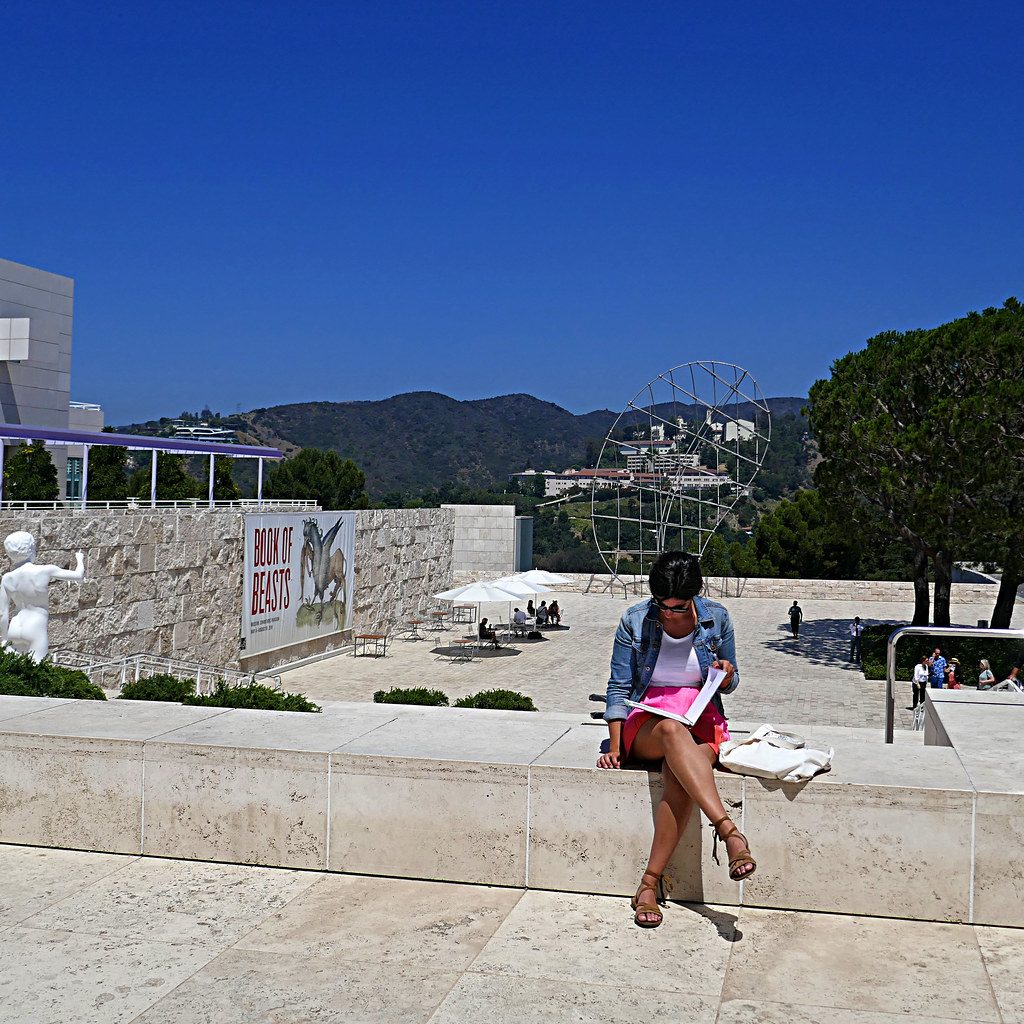
Traffic: plan major drives outside rush hour and use a navigation app.
Reservations: The Broad, the Getty Center parking, theme parks and popular restaurants may require reservations.
Beaches: swim near lifeguards, check for rip-current warnings and cover up in the sun, since the marine layer can hide strong UV.
Food: tacos, Korean barbecue, sushi, In-N-Out burgers, Mexican and Thai in neighborhood pockets, and food halls like Grand Central Market.
Cannabis is legal for adults 21 and over; don't use in public or drive impaired.
Last call is 2 a.m. Tipping 18 to 20% is standard.
Safety
Most visitors have no problems, but Los Angeles has real city risks. Car break-ins are the most common issue: never leave bags or valuables visible in a parked car, including at trailheads and beach lots.
Downtown and Hollywood can feel rough in places, especially at night; stay in busy areas and use rideshare late.
Wildfires and smoke: fire season peaks in late summer and fall. Check air quality and fire closures before hiking, and follow evacuation orders. Earthquakes are possible; know your hotel's guidance. Heat is intense inland in summer, so carry water and avoid midday hikes.
Healthcare
Emergencies: dial 911. Los Angeles has major hospitals and many urgent-care clinics and pharmacies. If you take prescription medications, bring a buffer supply. In wildfire smoke, limit outdoor exertion.
What to pack
Layers (mornings and evenings are cool near the coast), sunscreen, sunglasses and a hat, comfortable walking shoes, a swimsuit, a light jacket and a portable phone charger. Hiking shoes and water for trails.