What Miami is
Map →
Miami is a tropical, multicultural port city where Latin America meets the United States: Art Deco beachfronts, Cuban coffee windows, pastel buildings, nightlife, art fairs and warm turquoise water. It's a gateway to the Everglades and the Florida Keys, and one of the most international cities in the country.
Come for the beaches, the food, the nightlife and the culture, and expect Spanish, Portuguese and Creole to be part of daily life. Neighborhoods feel like different towns, so plan by area.
When to go
Winter and early spring (December to April) is the best weather: warm, dry and sunny. Prices and crowds peak, especially around Art Basel in early December and spring break in March.
Late spring (May to June) gets hotter and more humid, with afternoon thunderstorms starting. Prices ease.
Summer (June to September) is hot, humid and stormy. Hotels are cheaper, but heat and hurricane risk are highest from August through October.
Fall (October to November) is still warm; hurricane season ends November 30. Crowds build again toward December.
Check the events calendar. Art Basel, the Miami Open tennis tournament, spring break, big concerts and major sports events affect prices and availability.
How many days
Map →2 days covers South Beach, one neighborhood and a great dinner.
3 days (recommended) adds Wynwood, Little Havana and a boat or water-day.
4 to 5 days adds the Everglades, Coral Gables or Key West.
Day 1, South Beach: morning on the beach, then a walk along Ocean Drive and Collins Avenue to see the Art Deco district (the Art Deco Welcome Center runs walking tours). Afternoon at Lincoln Road for shopping and people-watching. Evening dinner on the beach and a bar or club.
Day 2, Wynwood, Design District and downtown: morning in Wynwood for murals, galleries and coffee. Afternoon in the Design District or the Pérez Art Museum Miami. Evening in Brickell or downtown, with a Metromover ride for skyline views.
Day 3, Little Havana and Coconut Grove: morning on Calle Ocho for Cuban coffee, pastelitos and Domino Park. Afternoon at Vizcaya Museum and Gardens in Coconut Grove, or a Biscayne Bay boat tour. Evening dinner in Coral Gables or Coconut Grove.
Optional day trip: an Everglades airboat or Shark Valley tram tour (about an hour from the city), or a long day to Key West by car.
Where to stay
South Beach suits first-timers and nightlife: walkable, lively and loud.
Mid-Beach and North Beach suit resort stays and quieter beaches.
Brickell and Downtown suit city views, restaurants and Metromover access.
Wynwood and the Design District suit art and food lovers: boutique hotels, a short ride to the beach.
Coconut Grove and Coral Gables suit a leafy, relaxed base.
Getting around
Miami is spread out, and many visitors use rideshare. Metrorail and Metromover (a free downtown loop) cover parts of the city, and the free trolleys in Miami Beach, Coral Gables and other areas help with short hops. Brightline connects MiamiCentral to Fort Lauderdale, West Palm Beach and Orlando. Check current fares and schedules.
A car is useful for the Everglades, the Keys and some neighborhoods, but parking in South Beach and downtown is expensive and tight. Many beach hotels charge for parking.
From the airport, rideshare, taxis and the Metrorail (via a transfer) are options. Allow extra time in heavy traffic.
Know before you go
Map →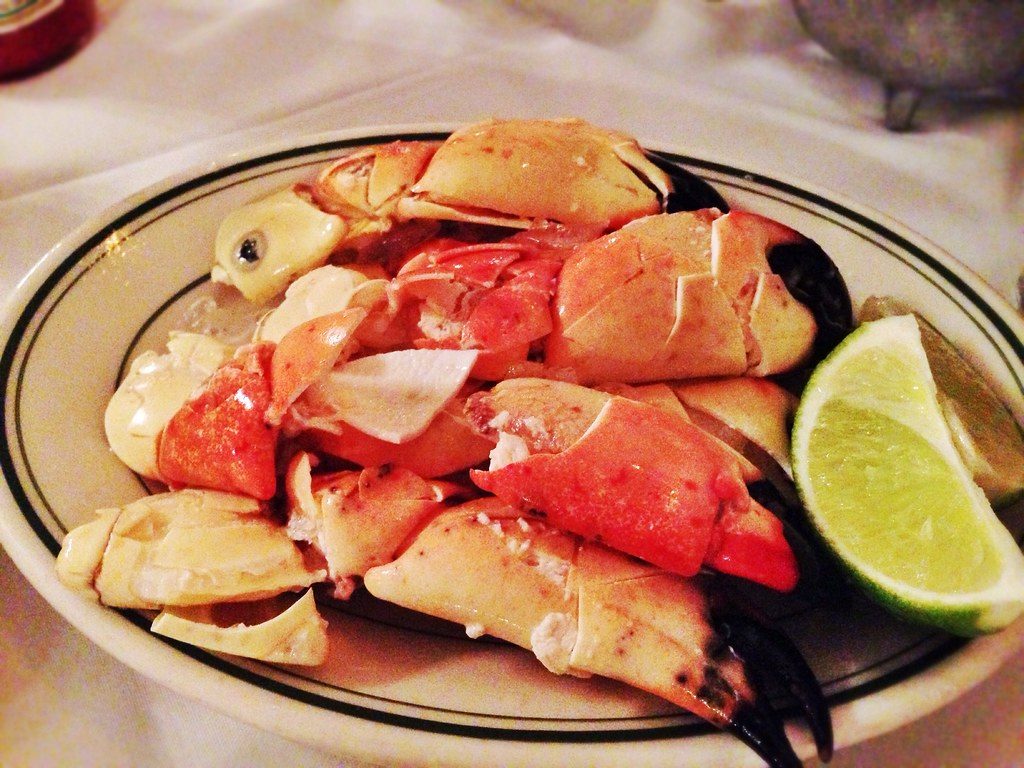
Hurricane season runs June 1 to November 30, with peak risk in late summer and early fall. Keep bookings flexible and follow official guidance if a storm threatens.
Sun and heat: UV is intense year-round. Use sunscreen, wear a hat and drink water.
Beaches: swim near lifeguards and heed flag warnings for rip currents, jellyfish or Portuguese man-of-war.
Food: Cuban sandwiches, croquetas, café cubano, ceviche, fresh seafood and, in season (mid-October to early May), stone crab.
Alcohol: open-container and last-call rules vary by city and area, and have changed in some Miami Beach zones; check current rules.
Tipping: check whether gratuity is already added; 18 to 20% is standard otherwise.
Safety
Miami is a popular, busy destination, and most issues are petty crime and nightlife-related. Keep valuables out of sight, don't leave belongings on the beach, and use rideshare late at night.
Watch your drinks at clubs, and be wary of street "promoters" and unlicensed taxis. Lock your car and take belongings with you. Flash flooding and "king tide" flooding can close streets, especially in low-lying areas of Miami Beach. In hot weather, watch for dehydration and sunburn.
Healthcare
Emergencies: dial 911. Miami has major hospitals and many urgent-care clinics and pharmacies. If you take prescription medications, bring a buffer supply. Bring sun and insect protection, and know the signs of heat illness.
What to pack
Sunscreen, sunglasses, a hat, swimwear, light breathable clothing, a rain jacket for sudden showers, comfortable sandals and walking shoes, insect repellent for the Everglades and a light layer for air-conditioned venues.