What New York is
Map →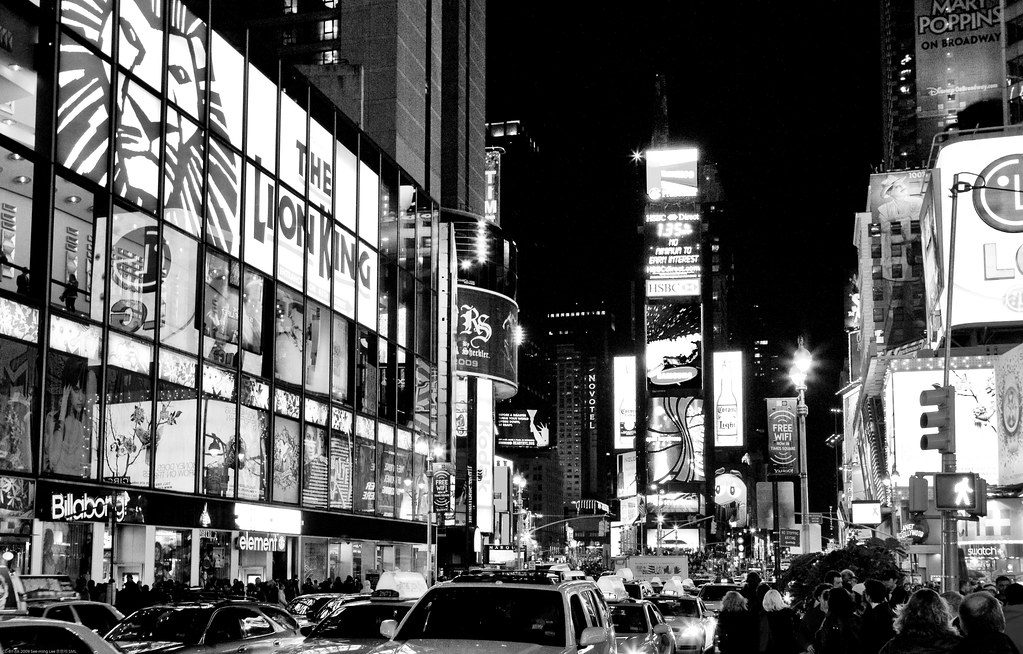
New York is the most densely packed, walkable and varied big city in the United States: five boroughs, 8 million-plus residents and every cuisine, neighborhood and art form imaginable. Manhattan is the postcard (skyscrapers, Broadway, museums), but Brooklyn, Queens, the Bronx and Staten Island hold much of what locals love.
Come for the energy, the food and the culture, and plan around crowds. The city rewards wandering: you'll find as much in a single block as in a whole day elsewhere.
When to go
Map →Spring (April to June) brings mild weather, blooming parks and a busy tourist season. Pleasant but pricey.
Summer (July to August) is hot and humid, with thunderstorms and sticky subway platforms. Outdoor concerts and rooftop bars shine; go early or late in the day.
Fall (September to November) is the sweet spot: crisp days, fall color in Central Park and the Thanksgiving parade in late November.
Winter (December to February) is cold, with occasional snow. December has the tree at Rockefeller Center, department-store windows and the highest hotel prices of the year; January and February are the cheapest.
Check the events calendar. Fashion Week, the U.S. Open (late summer), the New York City Marathon (early November), Thanksgiving weekend and New Year's Eve fill hotels and raise prices.
How many days
Map →3 days covers the icons: Midtown, Central Park, a museum, Lower Manhattan and a Broadway show.
4 days (recommended) adds Brooklyn, a neighborhood day and a slower morning.
5 or more days adds Queens, the Bronx, Governors Island or a day trip (Hudson Valley, the Hamptons, Philadelphia by train).
Day 1, Midtown: morning at Grand Central, the Rockefeller Center area (Top of the Rock for views) and Fifth Avenue. Afternoon at the New York Public Library and Bryant Park, then MoMA. Evening Broadway show in the Theater District (book ahead, or try same-day tickets at TKTS).
Day 2, Central Park and museums: morning stroll through Central Park, then the Metropolitan Museum of Art or the American Museum of Natural History. Afternoon on the Upper West or Upper East Side. Evening dinner in the Village or a jazz club.
Day 3, Lower Manhattan: morning on the Staten Island Ferry (free), with views of the Statue of Liberty, or the ferry to the Statue of Liberty and Ellis Island (book official tickets ahead). Afternoon at the 9/11 Memorial and Museum, Wall Street and the Oculus. Evening walk across the Brooklyn Bridge at sunset to DUMBO.
Day 4, neighborhoods: the High Line and Chelsea Market, SoHo and Greenwich Village, then Brooklyn (Williamsburg or Prospect Park). End with dinner in Queens, Chinatown or the East Village.
Where to stay
Map →
Midtown suits first-timers: central, close to everything, busy and loud.
Lower Manhattan and the Financial District suit quieter evenings, with good transit and harbor views.
The Upper West and Upper East Sides suit a residential feel near Central Park and the big museums.
Greenwich Village, SoHo and the Lower East Side suit restaurants, nightlife and character: fewer big hotels, higher prices.
Brooklyn (DUMBO, Williamsburg) and Long Island City suit better value and skyline views, with a short subway ride into Manhattan.
Getting around
Map →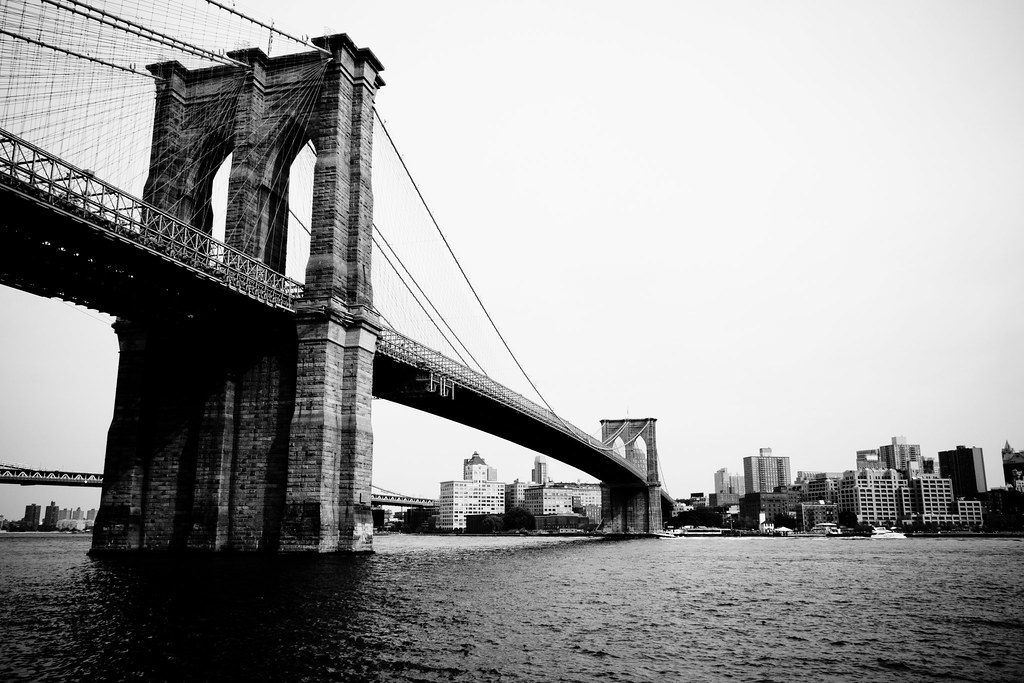
The subway runs 24 hours and reaches nearly everywhere. Tap a contactless card or phone at the OMNY reader; check the current fare and any fare-capping rules. Buses, ferries and the NYC Ferry round out the system. Check the MTA website or app for weekend service changes, which are common.
Walking is the best way to see Manhattan, though blocks add up. Taxis and rideshare are plentiful but slow in traffic. Citi Bike is available for short rides.
Skip the rental car. Parking is expensive and scarce, and driving into Manhattan below 60th Street may involve a congestion-pricing toll, so check current rules if you do drive.
Airports: JFK has the AirTrain to the subway and Long Island Rail Road; LaGuardia is served by buses and rideshare; Newark connects by AirTrain and NJ Transit to Penn Station. Allow plenty of time at rush hour.
Know before you go
Map →Tickets: book Broadway, observation decks, popular museums and timed attractions ahead. Buy Statue of Liberty and Ellis Island tickets only from the official ferry operator.
Tipping: 18 to 20% is standard in restaurants and bars; tip taxi drivers and hotel staff too.
Food: pizza, bagels, delis, dumplings in Chinatown, tacos, ramen and everything between. Reservations matter at popular spots.
Taxes: sales tax and hotel taxes add noticeably to prices.
Last call is 4 a.m., though many bars close earlier.
Safety
Map →New York is one of the safer big cities for visitors, and most problems are petty. Keep phones and bags secure in crowds and on the subway, and be alert at night in unfamiliar areas.
Common scams include costumed characters in Times Square asking for tips, "free" CDs or friendship bracelets, fake ticket sellers and unlicensed taxi drivers. Use official ticket sites, licensed taxis or rideshare.
Heat waves can be intense in summer, and subway platforms are hot. Heavy rain can flood subway stations and streets. In winter, ice and cold require good boots and layers.
Healthcare
Emergencies: dial 911. New York has major hospitals in every borough and many urgent-care clinics and 24-hour pharmacies. If you take prescription medications, bring a buffer supply.
What to pack
The most comfortable walking shoes you own, layers, a compact umbrella, a portable phone charger, a small bag that closes securely, sunscreen in summer and a warm coat, hat and gloves in winter.